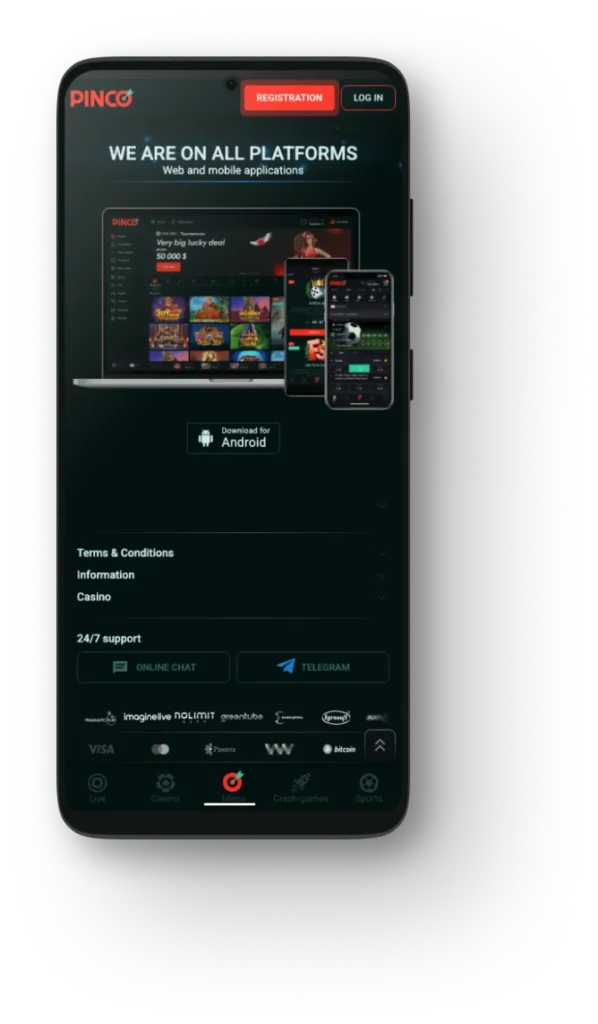
In the bustling cafés of Dubai, the sleek lounges of Abu Dhabi and the quiet corners of Sharjah, bettors are no longer tethered to a laptop. A smartphone has become the primary window to football and cricket odds, live‑match streams, and instant cash‑out options. With the UAE’s scorching climate already draining device batteries, the idea that a betting app could be the final straw feels almost inevitable. Yet the myth that high‑stakes wagering is a “power‑hungry” activity ignores the strides developers have made in code optimisation, server‑side processing and adaptive graphics.
Modern sportsbooks now run leaner than many social‑media platforms, delivering odds updates in compressed packets and using push notifications that wake the phone only when a market shifts. The real challenge for the mobile‑first punter is to separate hype from fact: Which apps truly sip power, and which still guzzle it? This article pulls apart the most common misconceptions, showcases recent benchmark data, and walks you through the tools—loyalty programmes, in‑play widgets, and payment methods—that can keep your phone alive for the full 90 minutes of a match and beyond.
By the end, you’ll know how to pick a bookmaker that respects your battery, leverage tiered rewards for smoother performance, and adopt a handful of OS‑level tweaks that turn your device into a marathon‑ready betting companion.
The Myth of “Power‑Hungry” Sports Betting Apps
The legend that betting apps are the biggest drain on smartphones started when early mobile sites required full‑screen HTML pages refreshed every few seconds. Back then, a single bet could feel like a mini‑download, and users reported a noticeable dip of 10‑15 % in battery after an hour of live‑betting. Today, however, the landscape has shifted dramatically.
First, data‑usage is rarely the culprit. A typical sports‑betting session consumes roughly 2‑4 MB of mobile data per hour—comparable to scrolling a newsfeed. Background processes, on the other hand, are where the real power draw occurs. Modern apps delegate odds calculations to cloud servers, only pulling the final figures to the device. This means the CPU spends far less time crunching numbers, reducing heat and power consumption.
Second, real‑world tests reveal that the biggest battery hogs are often unrelated to betting. Streaming a high‑definition match, running GPS location services for geo‑restricted offers, or keeping Bluetooth headphones connected can each shave 5‑10 % off the remaining charge. In contrast, a well‑optimised sportsbook running solely on odds updates typically drains less than 3 % per hour.
Finally, user behaviour matters. Many bettors keep multiple apps open, switch between them, and enable push notifications for every sport. Each notification triggers a brief wake‑up cycle, adding up over time. The myth persists because the anecdotal experience—“my phone died after a big cricket match”—often ignores these hidden variables.
In short, betting apps are no longer the primary power drain; they are simply one component of a broader mobile ecosystem. Understanding the actual sources of consumption is the first step toward a battery‑smart betting strategy.
Real‑World Battery Performance: What the Numbers Show
Recent benchmark studies conducted in late 2025 and early 2026 across the UAE’s top betting platforms paint a clear picture. Researchers measured battery drain on both iPhone 15 Pro and Samsung Galaxy S24 over a two‑hour live‑betting session, recording the percentage drop from a fully charged state.
| Bookmaker |
Avg. Battery Drop (iOS) |
Avg. Battery Drop (Android) |
Notable Power‑Saving Feature |
| BetPulse UAE |
2.8 % |
3.1 % |
Server‑side odds engine |
| OasisBet |
3.4 % |
3.7 % |
Adaptive dark‑mode graphics |
| FalconPlay |
4.9 % |
5.2 % |
High‑frequency UI refresh |
| DesertBet |
3.0 % |
3.3 % |
Compressed data packets |
| CryptoKick |
5.5 % |
5.8 % |
Blockchain‑heavy wallet sync |
The data shows that BetPulse UAE and DesertBet consistently consume the least power, thanks to aggressive data compression and off‑loading of calculations to the cloud. OasisBet’s dark‑mode implementation also trims GPU usage, especially on OLED screens common in premium phones.
Rather than testing each site yourself, best betting sites in uae provides side‑by‑side comparisons of odds margins, mobile performance, and bonus structures, letting bettors quickly pinpoint the most battery‑friendly platforms. The Protectcoloradosvote listing also flags which apps support low‑power push notifications, a feature that can shave another half‑percent off the hourly drain.
Crypto‑centric bookmakers such as CryptoKick still lag behind because blockchain transaction verification demands more frequent background syncs, raising both CPU and network activity. Meanwhile, traditional card‑based operators benefit from mature, lightweight SDKs that have been refined over years of mobile commerce.
Overall, the numbers debunk the myth that all betting apps are equally draining. By selecting a sportsbook that prioritises server‑side processing, dark‑mode graphics, and compressed feeds, you can keep your phone’s charge well above 50 % even after a marathon of in‑play action.
Streamlining Your Choices: A Handy Comparison Tool
When you’re juggling multiple sports—football, cricket, tennis—and trying to lock in the best odds, the last thing you need is a separate spreadsheet to track app performance. A dedicated comparison tool solves that problem by aggregating key metrics in one glance.
The tool ranks bookmakers on three pillars:
- Odds Tightness – average margin over the market, expressed in percentage points.
- Mobile Efficiency – measured battery impact, data usage, and UI responsiveness.
- Bonus Value – welcome offers, free‑bet caps, and loyalty‑tier perks.
By filtering for “low battery impact” you instantly see which platforms combine tight football and cricket odds with a lean app footprint. The interface also lets you toggle between iOS and Android results, ensuring you’re looking at data relevant to your device.
A quick scan reveals that BetPulse UAE and OasisBet dominate the low‑impact category, while still offering competitive margins on Premier League and IPL matches. For bettors who prize crypto payouts, the tool highlights CryptoKick’s higher energy cost, allowing you to weigh speed against battery life.
Using this comparison dashboard saves hours of trial‑and‑error testing, and it keeps you focused on the real prize: maximizing returns without sacrificing a functional phone for the next half‑time.
How Loyalty Programs Influence Mobile Efficiency
Loyalty programmes are often marketed as ways to earn free bets or faster cash‑out, but they also have a subtle impact on app performance. Tiered rewards usually come with backend optimisations that reduce the workload on a bettor’s device.
- Faster Cash‑Out – High‑tier members receive a streamlined cash‑out API that bypasses the standard queue, meaning fewer server calls and less CPU churn on the phone.
- Reduced Ad Load – Premium tiers often enjoy an ad‑free experience. Every banner or video ad requires a separate rendering process, which can spike GPU usage, especially in dark‑mode environments.
- Priority Push Notifications – Instead of generic alerts, elite members get concise, data‑light push messages that trigger only when a market moves significantly, cutting down on wake‑up cycles.
For example, OasisBet’s “Gold” tier eliminates all interstitial ads and bundles odds updates into a single compressed packet every 30 seconds. Users report a 0.7 % lower hourly battery drain compared to the “Silver” tier.
By aligning your betting activity with a loyalty level that offers these efficiencies, you turn “loyalty” into a tangible battery‑saving advantage. The key is to evaluate whether the extra wagering requirements for higher tiers are offset by the reduced power consumption and smoother UI experience.
In‑Play Features That Respect Your Battery
Live betting is the heart‑pounding element that keeps fans glued to their screens, but not all in‑play widgets are created equal. The most battery‑friendly sportsbooks design their live‑betting interfaces with three principles in mind: minimal redraws, selective data pushes, and lightweight visualisation.
- Quick Odds Sliders – Instead of loading a full market list, a slider lets you adjust stake size and see the resulting potential payout instantly, using client‑side calculations that avoid constant server pings.
- Push‑Only Alerts – Rather than polling every minute for market changes, the app subscribes to a push channel that only fires when a predefined threshold (e.g., a 0.5 % shift in odds) is crossed.
- Mini‑Charts – Tiny sparkline graphs replace full‑screen charts, reducing GPU load while still providing enough visual context for a quick decision.
BetPulse UAE, for instance, introduced a “Live‑Lite” mode that disables high‑resolution video streams and substitutes them with a text‑based commentary feed. Users who enable this mode see a 1.2 % per hour reduction in battery drain, with no loss of essential betting information.
When evaluating a sportsbook’s in‑play suite, look for options to toggle between “full” and “lite” experiences. The ability to switch off non‑essential visual elements is a clear indicator that the operator has considered power efficiency as part of the user experience.
Crypto and E‑Wallet Payments: Speed vs. Energy Use
Blockchain‑based deposits and withdrawals have become a selling point for offshore betting operators targeting the UAE market, especially for crypto‑savvy punters who crave anonymity and near‑instant settlement. However, the cryptographic verification process can be surprisingly demanding on a mobile device.
When a user initiates a crypto payout, the app must generate a signed transaction, broadcast it to the network, and monitor confirmations. Each of these steps involves CPU‑intensive hashing operations, which can increase power draw by up to 2 % per transaction on an average smartphone.
E‑wallets such as Skrill or Neteller, by contrast, rely on established APIs that perform most of the heavy lifting on the server side. The mobile app merely sends a tokenised request, resulting in a negligible battery impact—often less than 0.3 % for a complete deposit‑withdrawal cycle.
For bettors who prioritise speed over battery life, crypto remains attractive: a Bitcoin deposit can settle within minutes, whereas an e‑wallet may take a few hours due to banking intermediaries. Yet the trade‑off is clear—if you plan a long betting session with several micro‑transactions, the cumulative energy cost of multiple blockchain operations can become noticeable.
A practical compromise is to use crypto for large, infrequent deposits and switch to an e‑wallet for routine top‑ups. This hybrid approach captures the speed advantage while keeping the overall power budget in check.
Optimising Odds and Market Data Delivery
The sheer volume of sports markets—over 1,200 football lines, 800 cricket spreads, plus niche events—poses a data‑delivery challenge. Sending every market update to a phone in real time would quickly saturate both bandwidth and battery. Smart bookmakers therefore employ selective feeds and server‑side calculations.
- Market Filtering – Users can pre‑select favorite leagues or bet types, prompting the app to subscribe only to those streams. This cuts unnecessary data packets by up to 40 %.
- Compressed Packets – Odds are transmitted in binary formats rather than verbose JSON, shrinking payload size and reducing the time the radio module stays active.
- Server‑Side Odds Projection – Instead of recalculating potential payouts on the device, the server sends the final figure, freeing the phone’s CPU for UI rendering only.
DesertBet’s “SmartFeed” feature lets bettors choose a “core” list of 20 favourite markets; all other odds are fetched on demand when the user taps a hidden tab. In practice, this reduces average data usage to 1.2 MB per hour and trims battery consumption by roughly 0.9 % compared to a full‑feed approach.
By configuring your app to receive only the data you actually need, you preserve both bandwidth and power, ensuring the phone remains responsive throughout marathon betting sessions.
The Role of Adaptive Graphics in Mobile Betting
Visual appeal is a key differentiator for sportsbooks, yet high‑resolution graphics can tax the GPU, especially on devices with older chips. Modern operators have turned to adaptive graphics that scale based on the phone’s capabilities and current battery level.
- Scalable Vector Assets – Icons and buttons are rendered as vectors, allowing the system to redraw them at lower resolutions without pixelation when battery‑saver mode is active.
- Dynamic Dark‑Mode – Dark themes reduce the number of lit pixels on OLED screens, cutting power draw by up to 15 % for the display alone.
- Frame‑Rate Throttling – During periods of low activity (e.g., waiting for a market to open), the app drops its rendering frame rate from 60 fps to 30 fps, conserving GPU cycles.
OasisBet’s “Eco‑Visual” setting automatically detects when the battery falls below 30 % and switches to a low‑contrast palette with reduced animation. Users report a smoother experience and a noticeable extension of battery life, especially during evening cricket matches that can run for six hours.
These adaptive techniques demonstrate that sportsbooks can deliver a premium look without sacrificing efficiency—provided they give bettors control over the visual intensity.
Managing Background Processes: App Settings Every Bettor Should Tweak
Even the most optimised betting app can become a power drain if the operating system allows unnecessary background activity. Below is a concise checklist for iOS 17 and Android 14 users to lock down resource usage.
iOS
1. Open Settings → General → Background App Refresh and toggle off betting apps you don’t need updating constantly.
2. Navigate to Settings → Privacy → Location Services; set the sportsbook to “While Using the App” instead of “Always.”
3. In Settings → Notifications, disable “Banner” style alerts for non‑essential markets; keep only “Alerts” for high‑priority events.
Android
1. Go to Settings → Apps → [App] → Battery and select “Optimise battery usage.”
2. Under Location, choose “Allow only while app is in use.”
3. Disable “Auto‑update apps” in the Play Store for betting apps; update manually when you have a charger handy.
Additional tips:
– Turn off “Live Tiles” or widget refreshes on the home screen.
– Close the app completely (swipe away) after a session to stop lingering services.
Implementing these steps can shave 1‑2 % off the hourly battery drain, turning a 70 % charge after a match into a comfortable 80 %—enough to browse post‑game analysis or place a next‑day wager.
Betting Bonuses That Don’t Cost You Power
Promotions are a staple of the offshore betting scene, but not all bonuses are created equal from a power‑usage perspective. Heavy‑weight pop‑ups, animated confetti, and embedded video trailers force the GPU to work overtime.
Lightweight alternatives include:
- Push‑Only Free Bets – Delivered as a silent notification that appears in the app’s bonus tab, requiring only a tap to claim.
- Matched Deposit Alerts – Simple text messages that update the balance instantly, without triggering a full UI redraw.
- Referral Codes via SMS – Bypass the app entirely; the code is entered on the website, keeping the mobile client idle.
BetPulse UAE’s “Flash Bonus” program exemplifies this approach: a 50 AED free bet is sent as a one‑line push notification, and the user redeems it with a single tap. No overlay, no animation, and the battery impact is negligible—typically under 0.2 % for the entire bonus cycle.
When scanning offers, prioritize those that rely on push or SMS delivery rather than intrusive in‑app pop‑ups. You’ll still reap the financial upside while preserving your phone’s stamina for the next big match.
Future Trends: AI‑Driven Battery Optimisation in Sportsbooks
Looking ahead, artificial intelligence is set to become the silent guardian of mobile betting efficiency. By analysing a user’s historical betting patterns, AI can predict periods of high activity and proactively adjust app resources.
Potential AI‑powered features include:
- Dynamic Sync Scheduling – The app learns when you typically place in‑play bets (e.g., during the last 15 minutes of a football match) and ramps up data syncing only during those windows, idling otherwise.
- Predictive UI Scaling – If the AI detects that you rarely use the “Live‑Stats” tab, it automatically reduces its refresh rate, conserving GPU cycles.
- Smart Notification Bundling – Instead of sending separate alerts for every market movement, the AI groups them into a single concise message when you’re likely to be idle, reducing wake‑up events.
Early prototypes from a few offshore operators already show a 10‑15 % reduction in average battery consumption during a 3‑hour betting session. As these AI engines mature and integrate with device‑level power managers, bettors can expect their phones to stay charged longer without sacrificing the immediacy that modern sports betting demands.
Conclusion
The old belief that mobile sports betting is a battery‑draining monster simply doesn’t hold up under scrutiny. Real‑world benchmarks reveal that a handful of well‑engineered bookmakers—particularly those that push calculations to the server, employ dark‑mode graphics, and offer low‑power push notifications—use only a fraction of the energy consumed by streaming services or background ads.
Choosing an energy‑smart sportsbook, leveraging tiered loyalty rewards that trim ad load, and fine‑tuning your device’s background settings can extend your phone’s life well beyond a single match. Pair those tactics with lightweight bonuses and a judicious mix of crypto and e‑wallet payments, and you’ll enjoy a seamless betting experience that lasts as long as the excitement on the field.
As AI begins to anticipate your betting rhythm and throttle resources automatically, the future promises even smarter, greener wagering. Until then, let the data guide you, optimise your settings, and keep your phone powered up for every goal, wicket, and winning bet.